The Rhythm of Stillness: 7 Days in Kyoto's Hidden Temple Districts
How unhurried pacing and centuries-old cedar pavilions invite modern travelers into a deeper understanding of presence.
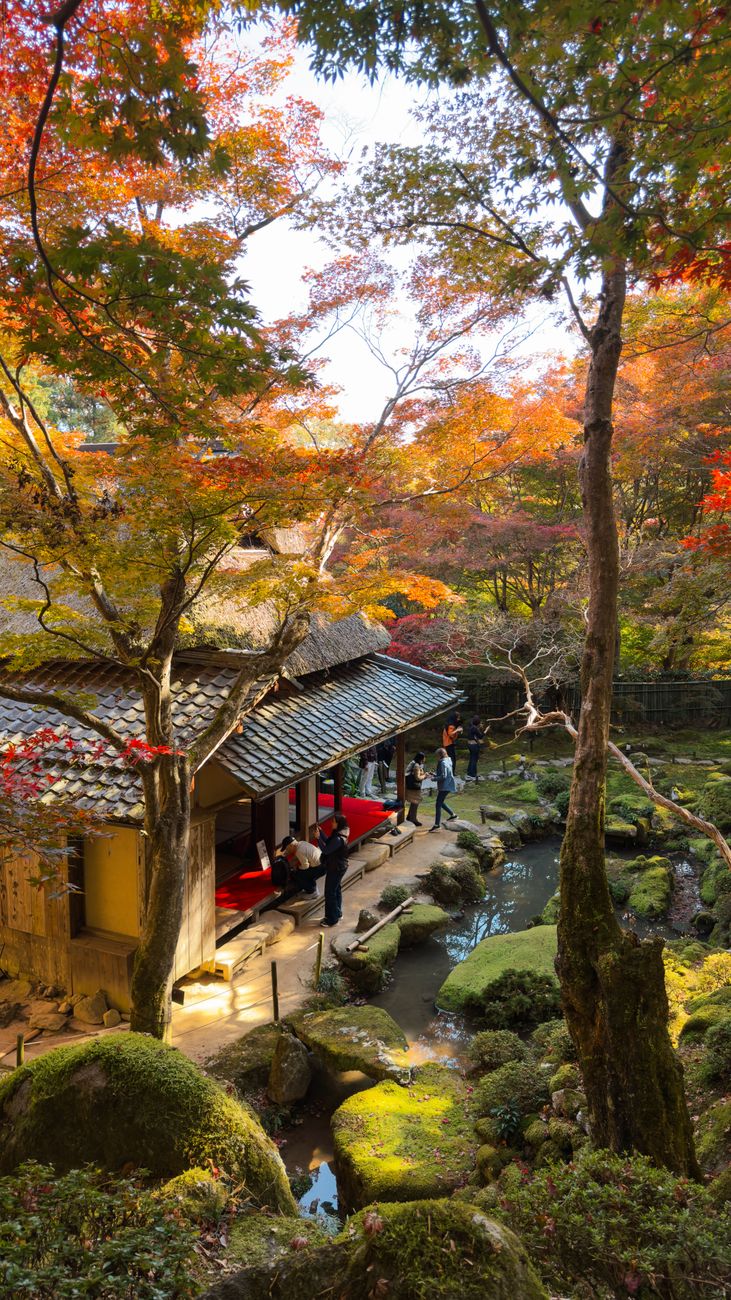
Before the morning tour buses converge upon the silver pavilions of eastern Kyoto, the western foothills remain shrouded in river mist. Here, the soft rhythmic swish of bamboo brooms against stone flags marks the true beginning of the day. Travel in this city does not demand checking off lists; it demands stillness.
Living Inside Cedar and Tatami
Choosing to reside in a restored 90-year-old wooden machiya in the northern Kamigamo quarter recalibrates one's sensory awareness. Floorboards respond softly to bare feet, sliding washi paper panels filter daylight into gentle gradients, and the quiet aroma of aged cedar acts as an unspoken invitation to slow down. Rather than traversing five shrines a day, we devoted entire mornings to observing light patterns across raked gravel courtyards.
"Space in Japanese architecture is not merely an absence of walls; it is a carefully modulated vessel for quiet contemplation."
The Culinary Grace of Kaiseki
Our evenings unfolded around quiet six-seat counter dining where master chefs celebrate seasonal botanicals: young bamboo shoots simmered in dashi broth, delicate river sweetfish grilled over binchotan embers, and wild mountain herbs gathered at sunrise. Every course honors seasonal rhythm with quiet dignity.
True exploration across Japan thrives on restraint. By removing commercial urgency and granting each neighborhood the time it deserves, the traveler discovers an intimate conversation with living history that outlasts any souvenir photograph.